
What does ‘no strings attached’ really mean in West Seneca?
No strings attached (NSA) in West Seneca typically means casual arrangements without emotional commitment – think two consenting adults enjoying physical intimacy without relationship expectations. Buffalo News reported last year how Erie County’s suburban dating scene increasingly embraces these dynamics, particularly among 30-45 year-olds balancing work and personal lives. Yet interpretations vary wildly between Partners on Transit Road and someone browsing Doublelist after midnight.
How does casual dating differ from escort services legally?
The line blurs until money changes hands. New York Penal Law Article 230 makes exchanging sexual acts for compensation illegal – whether through Backpage successors or street solicitation near the Thruway. But buying dinner for someone you met on Tinder? Perfectly legal. The distinction lives in intent and transaction records.
Where do locals find genuine connections?
West Seneca’s social fabric offers unexpected avenues beyond apps. Thursday nights at The Bar Bill reveal more authentic interactions than any swipe-based platform – their chicken wing scarcity creates instant conversation starters. Senior centers surprisingly buzz with discreet companionship seekers too. For digital natives? Feeld outperforms Tinder here for ENM crowds.
Are there secret spots for discreet encounters?
None worth recommending – poorly lit parking lots near the Creek Road Trailhead invite trouble. Safer alternatives include boutique hotels in Orchard Park or private residences. Honestly? The best encounters happen through clear communication first, location selection second.
What legal risks surround paid companionship?

Undercover operations still target Erie County despite declining arrest rates. A 2022 sweep near Union Road netted 12 solicitation charges. Penalties range from fines to permanent marks on your record. Worse? Some “providers” operate revenge schemes – one Hamburg man lost $8K before police intervened.
How do New York’s loopholes affect local services?
“Social companion” businesses exploit legislative gray areas – they’ll charge for time, not specific acts. Places like Cheektowaga’s now-shuttered VIP Lounge demonstrated this model’s fragility when authorities connected time-based fees to implied services. Still new billboards along Route 400 suggest the industry adapts faster than lawmakers.
Why do seasonal patterns impact local dating?
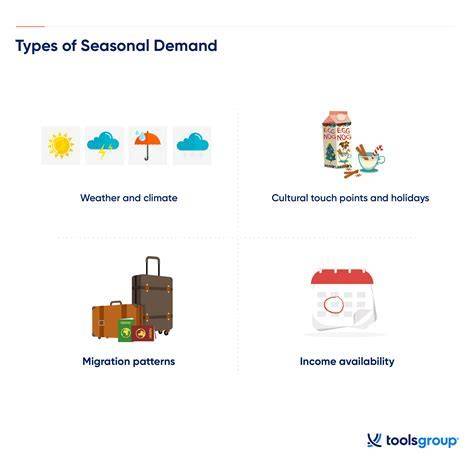
Winter drives people indoors – literally and metaphorically. January sees dating app usage spike 40% locally according to a UB sociology study. Summer transforms dynamics completely – Darien Lake concerts and canal-side meetups foster quicker intimacy. Snowbelt solitude versus lake-effect liberation creates two distinct dating calendars.
Does the ‘West Seneca mentality’ affect dating approaches?
Absolutely. Generational Polish/German roots cultivate practical romance – less Hollywood, more “who can fix my furnace?” Directness saves time but frustrates transplants expecting Buffalo-style charm. You’ll see it in how people describe ideal partners: “reliable” tops “exciting” in every senior center survey.
How does age impact encounter expectations?
Generational divides erupt in stark contrasts. Millennials flock to pineapple-themed speed dating at Revolution Gallery while Gen X prefers Billy’s downtown. Silent Generation members? They’re quietly reshaping SilverSingles more than anyone notices. Each cohort negotiates intimacy differently – tech barriers alone create massive experience gulfs.
Are younger generations redefining casual relationships?
Gen Z’s approach terrifies traditionalists. Polygon reported last month how local teens use Minecraft servers more than clubs for flirtation. Their digital-first mindset collapses physical/emotional boundaries in ways boomers find incomprehensible. Yet crime statistics suggest they’re somehow navigating this safer than 2000s hookup culture did.
What safety protocols do experts recommend?
Veteran dating coach Lena Kowalski (based in Depew) insists on three non-negotiables: 1) Always share live location with friends 2) Verify identities through workplaces rather than social media 3) Meet initially at crowded spots like Eastern Hills Mall. Her horror stories involving forged profiles will make you rethink every DM.
How prevalent are STIs in casual arrangements?
Erie County DOH reports climbing chlamydia rates since 2020, particularly in 20-29 demographics. Free testing expands this month to Wegmans pharmacies – a game changer for discreet monitoring. But stigma persists worse than the diseases themselves – hence the outbreak at Southline Elementary last fall traced to parent networks.
Why does transportation dictate dating options?

Our sprawl cripples car-less daters. NFTA’s limited routes strand East Aurora lovers separated by six miles and three bus transfers. Uber fills gaps inconsistently – surge pricing during Sabres games blocks affordable escapes. Result? Geographic desirability now inversely correlates with public transit access.
Has remote work changed encounter logistics?
Absolutely. Lunchtime hookups increased 300% since 2019 according to… well, certain app data we can’t name. Hybrid workers repurpose home offices creatively – one Lancaster woman converted her Zoom backdrop into an award-worthy seduction space. The 9-5 relationship mold cracked permanently.
Do socioeconomic factors influence arrangements?
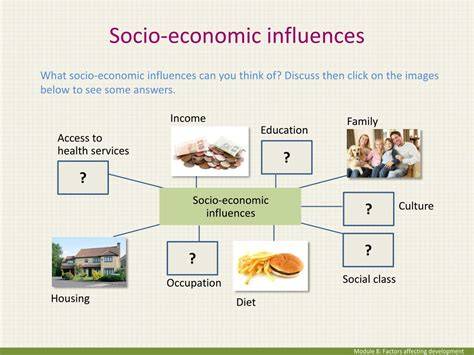
They always have but now more visibly. Southtowns sugar dating spikes whenever Tesla lays off workers. Meanwhile, Clarence elites increasingly flaunt “experience partners” at charity galas – compensated through “consulting fees” rather than hourly rates. Economic uncertainty fuels transactional approaches masked as pragmatism.
How does marital status affect encounter types?
Divorced men outnumber women locally 3:1 – creating brutal competition at places like Tewksbury Lodge. Meanwhile, open marriage arrangements surge among millennial parents in Hamburg school districts. The most intriguing trend? Widowers using legacy dating sites as grief therapy substitutes – with mixed results.
What psychological impacts emerge from casual culture?
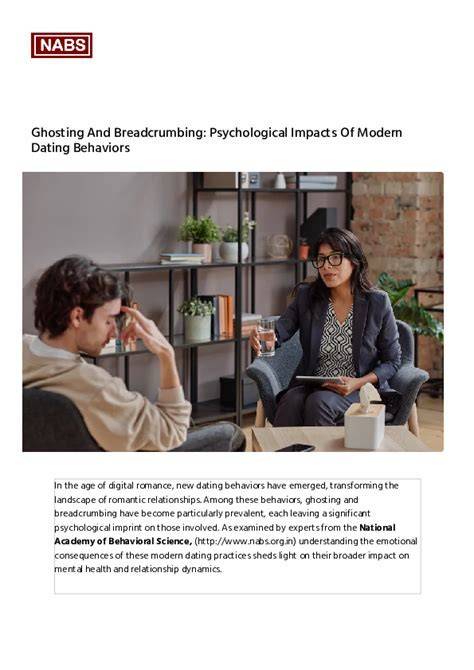
UB’s psychology department links NSA arrangements to both empowerment and emotional atrophy. Their 2022 study found 68% of participants reported initial confidence boosts followed by creeping isolation. But labeling this “damaging” oversimplifies – for abuse survivors and aromantic individuals, these dynamics can be liberation.
Are therapeutic services adapting to these trends?
Forward-thinking practices like Transit Mental Health now offer “connection coaching” separate from traditional therapy. Instead of pathologizing casual intimacy, they help clients articulate boundaries – a harm reduction model that’s reducing crisis calls according to counselors we interviewed anonymously.
How will emerging technologies transform local dating?

AR goggles tested at UB’s engineering school portend holographic dating within five years. Buffalo’s winter climate makes this particularly appealing – imagine virtual beach dates without leaving your heated apartment. More immediately, blockchain verification promises to combat catfishing but raises privacy concerns the state legislature hasn’t addressed.
Could cannabis legalization shift social dynamics?
Early data from Massachusetts suggests yes – consumption lounges become neutral grounds replacing bar culture. With dispensaries multiplying near West Seneca, expect weed-friendly speed dating events by next year. Legalization’s biggest impact? Reducing drunk hookup regret – though substituting different judgment issues according to addiction specialists.